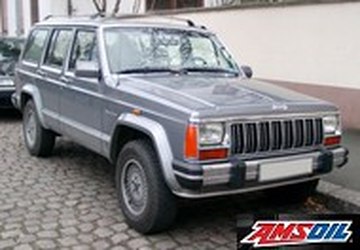
Maintaining Lubrication Standards for the 1980 Jeep CHEROKEE 4.2L
Proper engine maintenance is a cornerstone of long-term vehicle health, particularly for an engine like the 4.2L found in this 1980 Jeep Cherokee. While modern vehicles often rely on automated monitoring systems, older engines require more hands-on attention to ensure that lubrication remains effective and that potential issues are identified before they escalate into mechanical failures.Monitoring Fluid Integrity and Condition
A primary aspect of routine service involves observing the physical condition of the engine oil. Over time, lubricants can undergo changes due to heat, oxidation, and the presence of microscopic contaminants. Regularly checking the appearance of the oil can provide useful information about the internal state of the engine. If the oil appears excessively dark or has a gritty texture, it may indicate that the lubricant is nearing the end of its effective service life or that the filtration system is not performing as intended. Furthermore, any significant change in the smell of the oil warrants investigation. While some level of odor is expected, unusual scents can be associated with various internal processes. It is also important to monitor for signs of fluid loss. If you notice a decrease in the lubricant level on the dipstick between service intervals, this should be investigated. A reduction in volume may indicate an external leak or that the engine is consuming more oil than usual. Identifying these changes early allows for more controlled maintenance decisions rather than reactive repairs.Systematic Inspection of Seals and Connections
As vehicles age, the materials used in gaskets and seals can become less resilient. For a 1980 Jeep Cherokee, periodic visual inspections of the engine area are essential to identify any signs of seepage or leakage. Rather than assuming specific components will fail, an owner should look for evidence of fluid wetting around various connection points and sealing surfaces. When performing these inspections, pay close attention to:- The areas where major engine components meet.
- Sealing surfaces that appear damp or stained by old oil.
- Connections involving hoses or electrical wiring if they show signs of being coated in lubricant.
Prioritizing Maintenance Through Documentation
For owners of a 1980 Jeep Cherokee, establishing a clear maintenance baseline is one of the most effective ways to manage long-term ownership. If you have recently acquired the vehicle and do not have access to its previous service history, your first priority should be to document its current state. Creating a detailed log that includes the dates and details of every oil change, filter replacement, and fluid inspection provides a roadmap for future care. This documentation helps in:- Identifying patterns, such as how quickly certain fluids are consumed.
- Distinguishing between new issues and long-standing characteristics of the engine.
- Ensuring that no critical service tasks are overlooked due to a lack of records.
Observing Potential Operational Changes
Beyond visual inspections, how the engine behaves during operation can offer clues regarding its lubrication needs. Any new or unusual mechanical noises that coincide with engine startup or changes in operating temperature should be noted. While sounds can have many different causes, a change in the acoustic profile of the engine is always worth investigating. Similarly, keep an eye on dashboard indicators if they are present and functional. An oil pressure warning light is a critical signal that requires immediate attention to prevent potential damage. If you notice changes in how the engine responds to throttle inputs or if there is evidence of overheating, these symptoms should be evaluated by a professional to determine the underlying cause.Effective Strategies for Long-Term Engine Care
Maintaining an older vehicle involves a shift from purely scheduled maintenance to condition-based monitoring. This means that instead of simply following a generic timeline, you are reacting to the specific needs of your 1980 Jeep Cherokee. One effective strategy is to perform more frequent checks during periods of heavy use or extreme weather. If the engine is subjected to higher loads, the thermal stress on the lubricant increases, making regular level and condition checks even more vital. Furthermore, as components age, the frequency of visual inspections for leaks and belt integrity should naturally increase. By combining consistent record-keeping with attentive observation, you can manage the maintenance requirements of the 4.2L engine effectively. This proactive mindset helps in distinguishing between minor, manageable issues and significant mechanical concerns that require professional intervention.Practical Guidance for BUYING ENGINE OIL for your 1980 Jeep CHEROKEE 4.2L
When it is time to replenish your engine's lubricant, the most important step is to ensure the product matches the specific requirements of your application. Do not rely on general automotive knowledge or assumptions based on the age of the vehicle to select a grade. Instead, match the engine oil to the application-specific viscosity information already displayed on this webpage. When you are ready to purchase, consider the following:- Verify the Label: Always check the product packaging to ensure the SAE viscosity and API service classifications align with the information provided for your specific 1980 Jeep Cherokee.
- Evaluate Formulations: Depending on your engine's current condition, you may choose between conventional, synthetic blends, or full synthetic oils. Some high-mileage oil formulations also contain additives intended for use in aging engines, including seal-conditioning additives.
- Check Quality Standards: Ensure the oil meets the appropriate modern API certification to provide the necessary level of protection and deposit control.